In film there are many different types of camera shots used to make scenes in films more interesting for the people viewing it. the different shots are very well joined together so that you hardly even notice the change when watching the scenes. Each scene could include hundreds of different shots, but then some scenes only include the minimum amount of shots.

The Extreme Close Up Shot
The extreme close up shot is a shot that I very close to the person on object being filmed. (E.g. To show the emotions of a person or specific detailing on an object)

The Close Up Shot:
The close up shot is where the whole of an object or part of the body takes up the frame of the shot (E.g. just being able to see a person head and neck in a shot)

The long shot is where the main person or object takes up most of the shots frame. (E.g. The whole of a persons body or a full object in the height of the shot without cutting any parts off)
 The Extreme Long Shot:
The extreme long shot is a shot used normally as an establishing shot. It shows a very long distance in which the main focus is not clearly seen. (E.g. Showing a city in the distance)

The Over The Shoulder Shot:
The over the shoulder shot is shot over one persons shoulder of another person talking. usually used in conversations between two people.
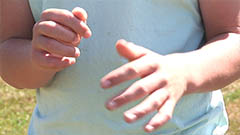 The Cut in Shot:
The cut in shot is a shot that cuts in on a specific detail of an object or person.
(E.g. Cuts in on a persons hands to show emotion in the person)

The two shot is a shot off two people. It shows more detail of one part of the people as well as giving the impression of the full person.

The Point Of View Shot:
The point of view shot is a shot that shows the view of a person in a specific place.
(E.g. To show us exactly what a specific person can see)
The Weather Shot:
The weather shot is simply a shot showing the weather. The Weather shot has to have at least two thirds of the shot is covered by the weather. The shot can also be used to show backgrounds.

Good Keileigh, these are all correct. Make sure you think carefully about the varying use of shots when you plan your film opening.
ReplyDelete